

Research Center
Amazon Rainforest Research & Conservation in Peru
Selva Wild Lodge is home to an active Amazon rainforest research center in Peru, located within the ecologically rich Tambopata–Tahuayo Conservation Area. This region is recognized for its exceptional biodiversity and plays a vital role in long-term conservation and scientific study of the Amazon ecosystem.
Our Amazon rainforest research station supports ongoing work in Amazon biodiversity research in Peru, focusing on wildlife monitoring, habitat preservation, and ecological balance. Researchers, conservationists, and partner organizations collaborate here to study plant and animal species across one of the most biologically diverse regions of the Amazon.
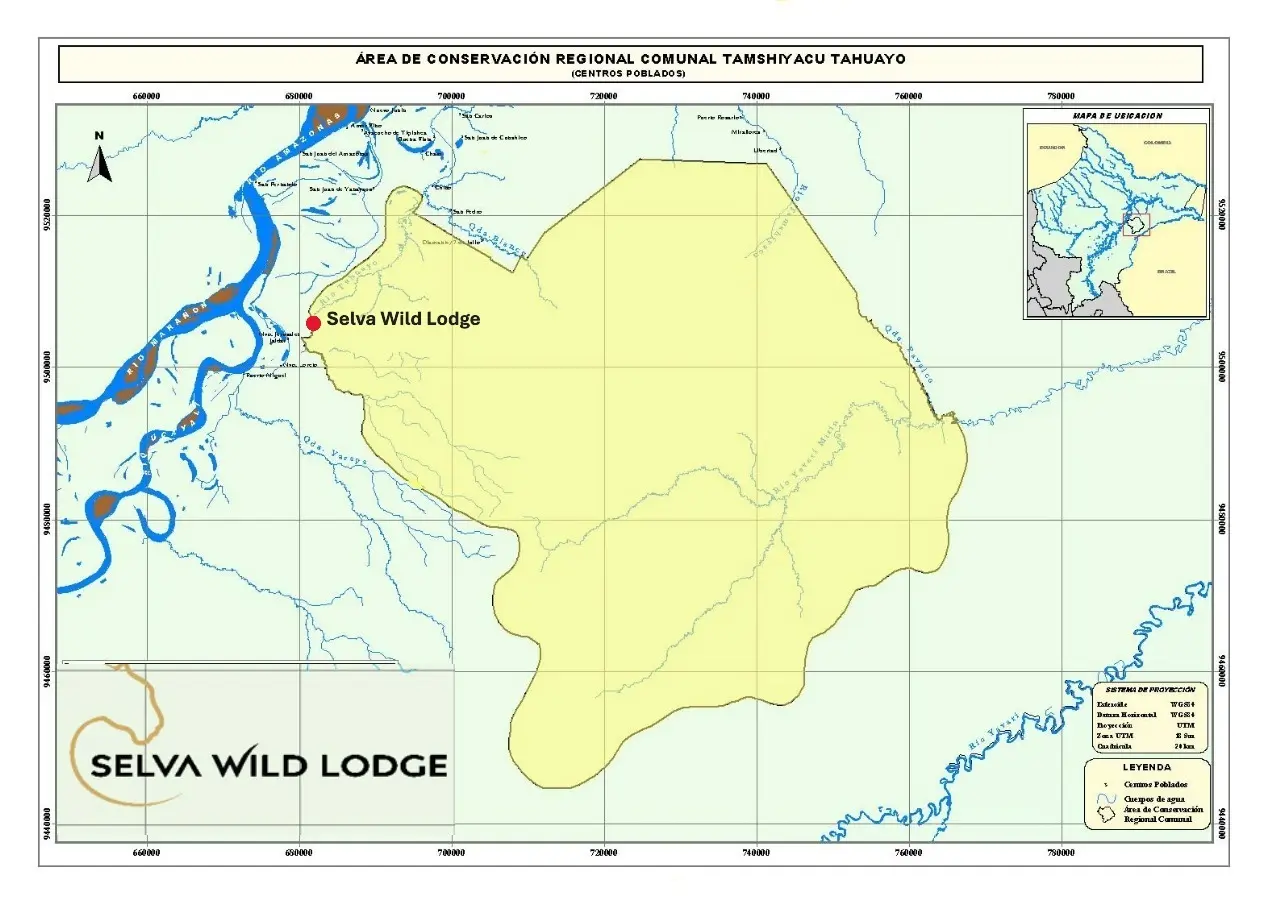
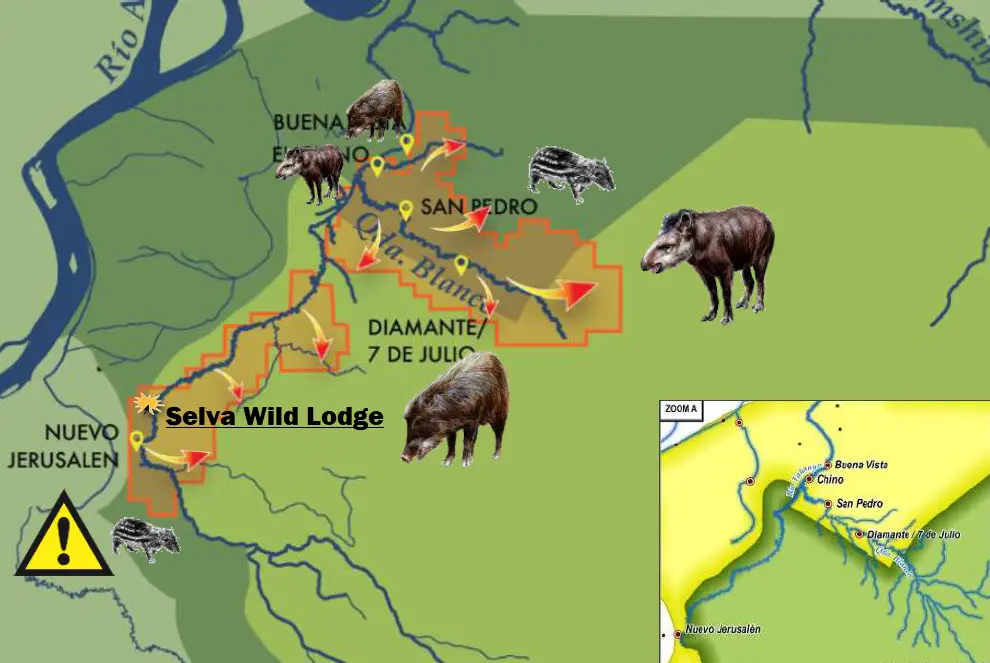
The Tamshiyacu Tahuayo Regional Conservation Area: A Biodiversity Hotspot
The research centre contributes to Amazon wildlife research in Peru, including studies of mammals, birds, reptiles, amphibians, and insect populations. Data collected helps improve conservation strategies, protect endangered species, and strengthen sustainable land-use practices within the rainforest.As part of a broader Amazon conservation research center, Selva Wild Lodge actively supports ecological research, environmental education, and responsible tourism initiatives. This integration of science, conservation, and community engagement reinforces our commitment to Amazon ecological research in Peru and the long-term protection of the rainforest.
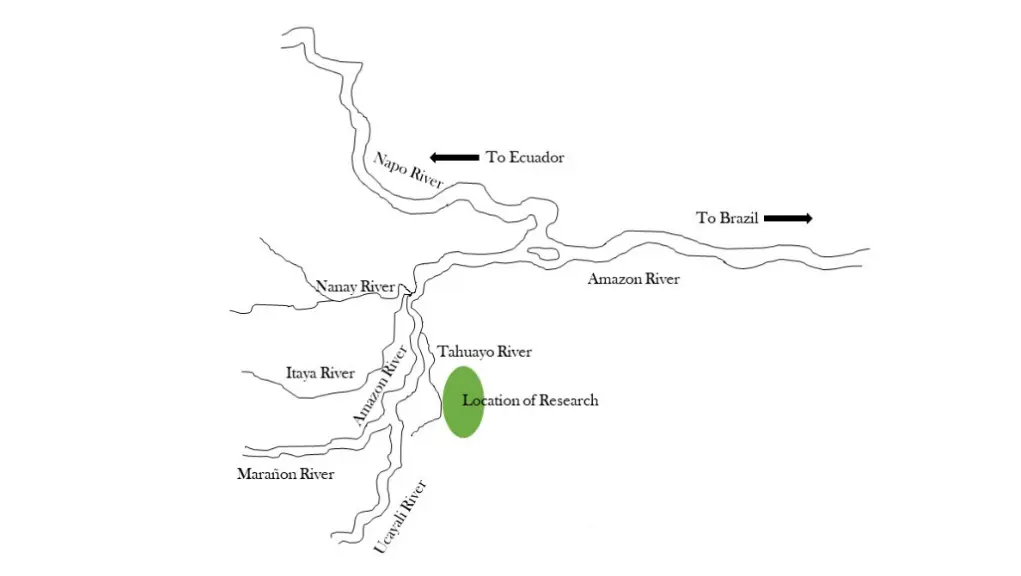
The Tambopata–Tahuayo Conservation Area is recognized as one of the most biologically diverse regions in the world, making it a critical location for Amazon biodiversity research in Peru. Scientific inventories conducted by institutions such as the Field Museum have documented an extraordinary concentration of species, surpassing many comparable research sites globally.
Recorded biodiversity highlights include over 600 bird species, such as macaws, toucans, and hoatzins; 150+ plant species, including the endangered Cedrela odorata; and a wide range of reptiles and amphibians, from black caimans and anacondas to brightly colored poison dart frogs. Mammal populations include jaguars, pink river dolphins, and giant otters, frequently monitored through
Diverse Amazon Rainforest Ecosystems
The reserve encompasses a rich mosaic of Amazonian ecosystems, including várzea, igapó, and terra firme forests, supporting diverse terrestrial, arboreal, and aquatic research. Oxbow lakes, seasonal floodplains, and narrow waterways further enhance opportunities for Amazon ecological research, particularly in freshwater and wetland biodiversity.
Community-Led Conservation Efforts
Established through grassroots initiatives by local communities in the 1980s, the conservation area was later formalized with support from academic and conservation institutions. Today, it stands as a model for Amazon conservation research, balancing ecological protection with sustainable resource use that benefits nearby communities such as Jerusalén and Chino. Jerusalén is an Indigenous Achuar community located along the Tahuayo River approximately five hours upriver from El Chino. At the time of this study, the village consisted of thirteen households and approximately fifty residents, the majority of whom are members of an extended family related to the village headman and shaman who first settled in the area in the 1960s while working as an indentured laborer. Selva Wild Lodge is located 10 minutes downriver from Jerusalén. El Chino is the largest of the three communities of study with a population of approximately two hundred individuals. Residents of El Chino partake in numerous economic activities including fishing, horticulture, craft production, and tourism. While all three communities are rural and economically disadvantaged, El Chino exhibits the greatest level of acculturation and relative affluence of the three communities of study. San Pedro is located approximately two hours from El Chino along the Río Blanco River. It is a smaller community with approximately forty residents spread across seven households. Despite the distance, San Pedro and El Chino are linked by kinship ties extending between the two communities, a feature that is not unique to these communities, but is characteristic of the numerous communities of the Tahuayo region.
Proven Research Value in the Peruvian Amazon
With a research legacy dating back to the 1970s, the area has supported long-term studies in primatology, ornithology, herpetology, and anthropology. Recent initiatives include jaguar population monitoring and camera-trap surveys. Selva Wild Lodge contributes to this work by providing logistical support and infrastructure for continued Amazon rainforest research in Peru.